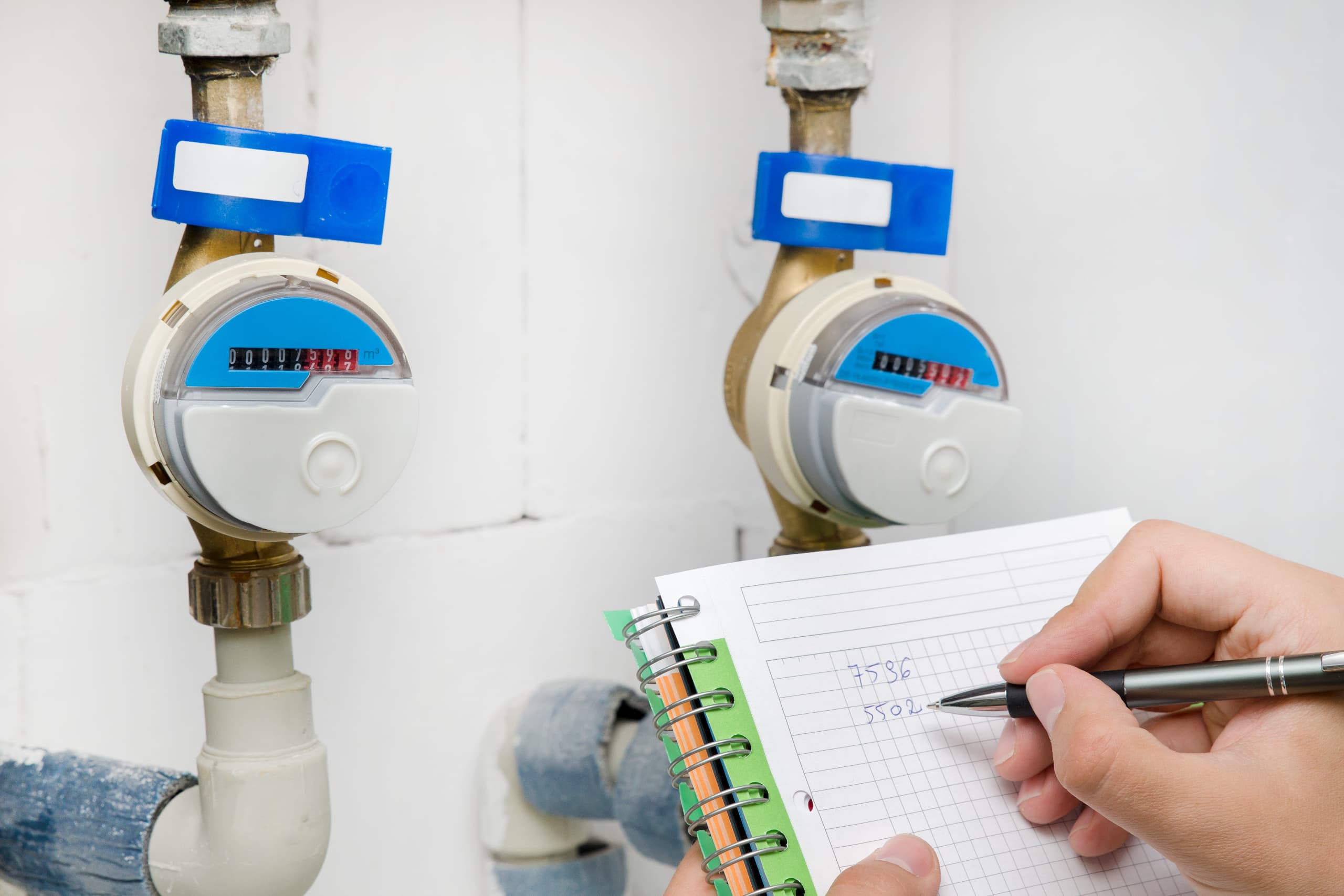
When business water prices will change
Business water prices normally change once a year at the start of the new charging period in April. This is when regional water wholesalers update the charges they apply for supplying and treating water, and those updated costs are then passed through to retailers and you, the customer.
For the upcoming pricing cycle, the key dates to be aware of are:
- Current water rates apply until: 31 March 2026
- New wholesale charges begin: 1 April 2026
- Updated business water bills appear from April 2026 onwards
The next set of wholesaler price changes will follow this annual cycle, with the updated charges applying from 1 April 2026 for the 2026/27 charging year. Most of what your business pays for water reflects the underlying costs of supplying and treating it. When those base prices increase each year, it’s usually the main reason your business water bills change.
Why are water prices increasing in such a way?
The reason behind the upcoming changes can be traced back to the latest industry price review carried out by Ofwat, the regulator responsible for overseeing water companies in England. In its most recent review, known as PR24, Ofwat approved a £104 billion investment programme covering the period from 2025 to 2030, which is one of the largest investment commitments the UK water sector has seen in decades. The regulator says the funding will support major upgrades to water infrastructure and environmental improvements nationwide.
According to Ofwat, the programme includes investment in:
- Upgrading sewage treatment works
- Improving water quality in rivers and coastal waters
- Strengthening long-term water supply resilience
- Building or expanding water storage infrastructure, like reservoirs
- Modernising monitoring systems and rolling out smart meters
Ofwat explains that these improvements are designed to address ageing infrastructure and environmental challenges while making sure that water networks remain reliable for future demand.
Water companies are responsible for carrying out this work, and part of the cost is reflected in customer bills. In practice, that means when the industry approves large investment programmes like this one, businesses like yours usually see water prices rise gradually over the following years.
How much business water prices could increase
If you’re responsible for managing water costs for your business, one of the first questions that naturally comes up is what these changes might mean for your bill. The exact increase will depend on where your business is located, as each region has a different water company responsible for supplying and treating water.
Early industry estimates suggest the underlying cost of water could increase by around 9% on average from April 2026. The cost of supplying and treating water makes up the largest portion of most business water bills, so changes at that level tend to have the biggest effect on the final amount you pay.
The short answer is that the increase won’t be identical everywhere. Water companies operate regionally, and the level of investment required in each area will be different, which means businesses in different parts of the country may see different adjustments to their water costs.
These are not the final numbers, indicative figures suggest increases could look roughly like this:
- Anglian Water: around 11%
- United Utilities: around 12%
- South West Water: up to around 17%
- Northumbrian Water: around 6%
- Yorkshire Water: around 6%
- Thames Water: roughly 2–3%
As you can see, businesses using similar amounts of water could still see different increases depending on where they are based. In practical terms, many businesses may see their water bills increase somewhere between 3% and 15%, depending on their region, with the national average expected to sit close to 9%.
Making sure your business is getting the most from its water supply
With water prices expected to increase over the coming years, now’s a good time to review your current setup and make sure your business is getting the most from the water it uses. Many businesses stay on the same tariff for years without realising there may be better options available. Unlike domestic water, where you’re normally tied to the supplier for your area, as a business, you can compare different suppliers and choose the tariff that works best for you – and that’s exactly where we can help.
At The Business Water Shop, we’re here to make that process straightforward. We compare rates from a nationwide network of trusted UK water suppliers so you can quickly see how your current tariff stacks up against what else is available. If there’s a better option for your business, we’ll talk you through the alternatives and help you switch business water suppliers. We take care of the process from start to finish, keeping everything simple and hassle-free. That way, you can feel confident that your business is getting the most from its water supply as prices change across the industry.
If you’d like to see how your current water supplier stacks up, or you’re simply exploring your options to get an idea of what might work best for your business from April, you can start by heading to the ‘Compare Now’ section of our website and filling out the quick form. It only takes a few moments, and you’ll be able to compare the latest 2026 business water rates to see how your current setup compares and whether there may be a more cost-effective option available.







 Excellent 5* Rating