






 Excellent 5* Rating
The seven line items on every business water bill
Every business water bill in England and Scotland breaks down into seven separate charges. Some are fixed. Some scale with how much water you use. And some have nothing to do with what comes out of your taps.
| Charge | What it is | Set by |
|---|---|---|
| Water standing charge | A fixed daily fee for being connected to the water supply, regardless of usage. Larger meters carry higher standing charges. | Wholesaler |
| Wastewater standing charge | A separate fixed fee for the sewerage connection. Listed as its own line, even though most people assume it is bundled in with water. | Wholesaler |
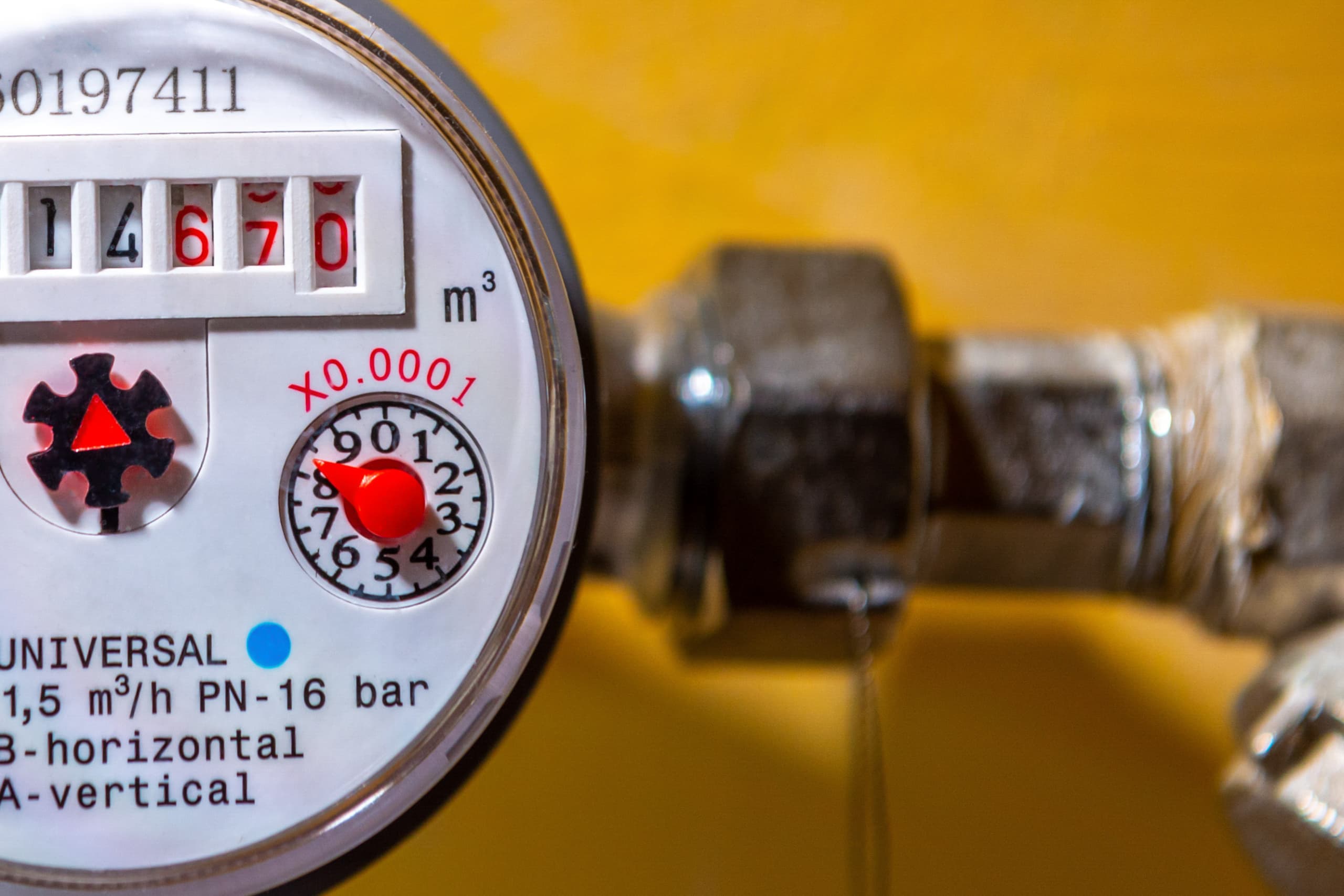
| Water unit rate | The per-cubic-metre price for water you actually use. This is the line that scales with your meter reading. | Wholesaler |
| Wastewater unit rate | A per-cubic-metre charge for water that leaves your site as waste, usually calculated as 95 percent of your water volume. Often the largest single line on the bill. | Wholesaler |
| Surface water drainage | A charge for rain landing on your roof, car park, or other hard surfaces and entering the public sewer. Set by drainage band, not by rainfall. | Wholesaler |
| Highways drainage | A charge for road run-off in your area that ends up in the sewer system. Calculated regionally, with no direct link to your specific site. | Wholesaler |
| Retail fee | Covers customer service, billing, and account management. The only line you can change by switching retailer. | Retailer |
Of the seven, six are wholesale charges. Only the retail fee is set by the retailer you have contracted with, and it is the only line that changes when you switch.
Wholesaler versus retailer, and who sets what
Two companies are involved in every business water account. The wholesaler is the regional water company that owns the pipes and treatment infrastructure: Severn Trent in the Midlands, Thames Water in London, Scottish Water across Scotland, and so on. They set the first six line items above, following the schedule of charges that Ofwat approves.
The retailer is the company that actually bills you. You can be billed by Castle Water, Wave, Pure Utilities, Water Plus, or any of the dozen-plus retailers in the deregulated market. They handle customer service and the account, but they pass the wholesale charges through unchanged.
When you switch business water suppliers, you are only changing the retail fee. The wholesaler stays the same, the standing charges stay the same, the unit rates stay the same. The retail fee on most accounts is small in absolute terms, but it can make a meaningful difference at scale across multi-site portfolios.
Why two bills with the same usage can look different
Same volume of water does not mean the same bill. Several variables can move the total even when nothing about how you use water has changed.
| Variable | How it affects your bill |
|---|---|
| Region | Each of the 11 wholesale regions in England sets its own schedule. Same volume in Newcastle and London produces different bills. |
| Drainage band | Charged by site characteristics, not usage. A site with more impermeable area pays more, even on a day it uses no water. |
| Contract status | A site on a deemed tariff (no signed contract) carries a higher retail fee than a negotiated agreement. |
| Wastewater calculation | The 95 percent assumption can be wrong if your business uses water in production, irrigation, or anything that does not return to the sewer. |
| Meter accuracy | Estimated reads can inflate or deflate the unit-rate charge. Several months of estimates and the bill stops reflecting reality. |
How to read your bill in five minutes
Pull out your most recent bill and work through it line by line.
- Find the seven items. They might be grouped or labelled differently depending on the retailer, but all seven should be there. If something is missing, that is worth a phone call.
- Check the standing charges against your meter size. Bigger meters mean higher standing charges. If you have a 25mm meter and the bill shows the rate for a 50mm one, you are being overcharged.
- Verify the unit rate. Match it against your contract document, or against the retailer’s published deemed schedule if you are not on a contract.
- Look at the wastewater volume. It should be either an exact percentage of your water volume (often 95 percent) or a separately measured figure if you have a wastewater meter.
- Check the surface and highways drainage. Both should reflect the actual character of your site. A flat-roofed warehouse with a large car park pays more than an open yard with permeable surface.
If anything looks off, the retailer is the first port of call. If they cannot resolve it, the next step is usually a water audit, which can identify backdated overcharges going back up to six years.
When a charge looks wrong
The five most common issues we see on business water bills are:
| Issue | What’s happening |
|---|---|
| Drainage band misclassification | Sites are placed in the wrong band when they are first set up, and the error then runs for years. |
| Estimated reads building up | Several “E” reads in a row produce a bill that no longer matches reality. |
| Wrong meter size on file | Standing charges are charged at the wrong band when meters are upgraded but the records are not. |
| Deemed tariff applied indefinitely | Accounts that should have moved onto contracts roll on at deemed rates for years. |
| Wastewater on a site that does not drain to sewer | Some sites soak away rainwater on-site or drain to a watercourse, which means no surface drainage charge should apply. |
The first step is always to raise a query with the retailer. Most retailers have to respond within ten working days under CCW‘s complaint code. If the issue is technical or the retailer cannot reach a resolution, the regulator (CCW for water complaints, MOSL for market issues) is the next stop. For backdated refunds, an audit by an independent broker is usually the most effective route.