




What is a deemed tariff?

If you feel your water bill isn’t giving you good value and you’re considering switching business water suppliers, the best place to start is with understanding why your bill looks the way it does.

Most people don’t think about their water contract until something feels off, and by that point, they’ve often been on the same setup for years without questioning it. Many companies are being charged under a structure they never actively agreed to, which can have a direct impact on the monthly bill and whether those costs truly reflect how the site operates day to day.

If this sounds familiar, you could be on a deemed tariff. A deemed tariff sits in the background of the business water market, quietly applying default rates to accounts that haven’t been formally set up or reviewed. If you’ve never signed a contract with a retailer, there’s a strong chance this is what you’re on, and it may already be influencing your bill without you realising.

Here’s how deemed tariffs work, so you can determine whether your current charges are appropriate or if you’re paying a standard rate that hasn’t been tailored to your usage.

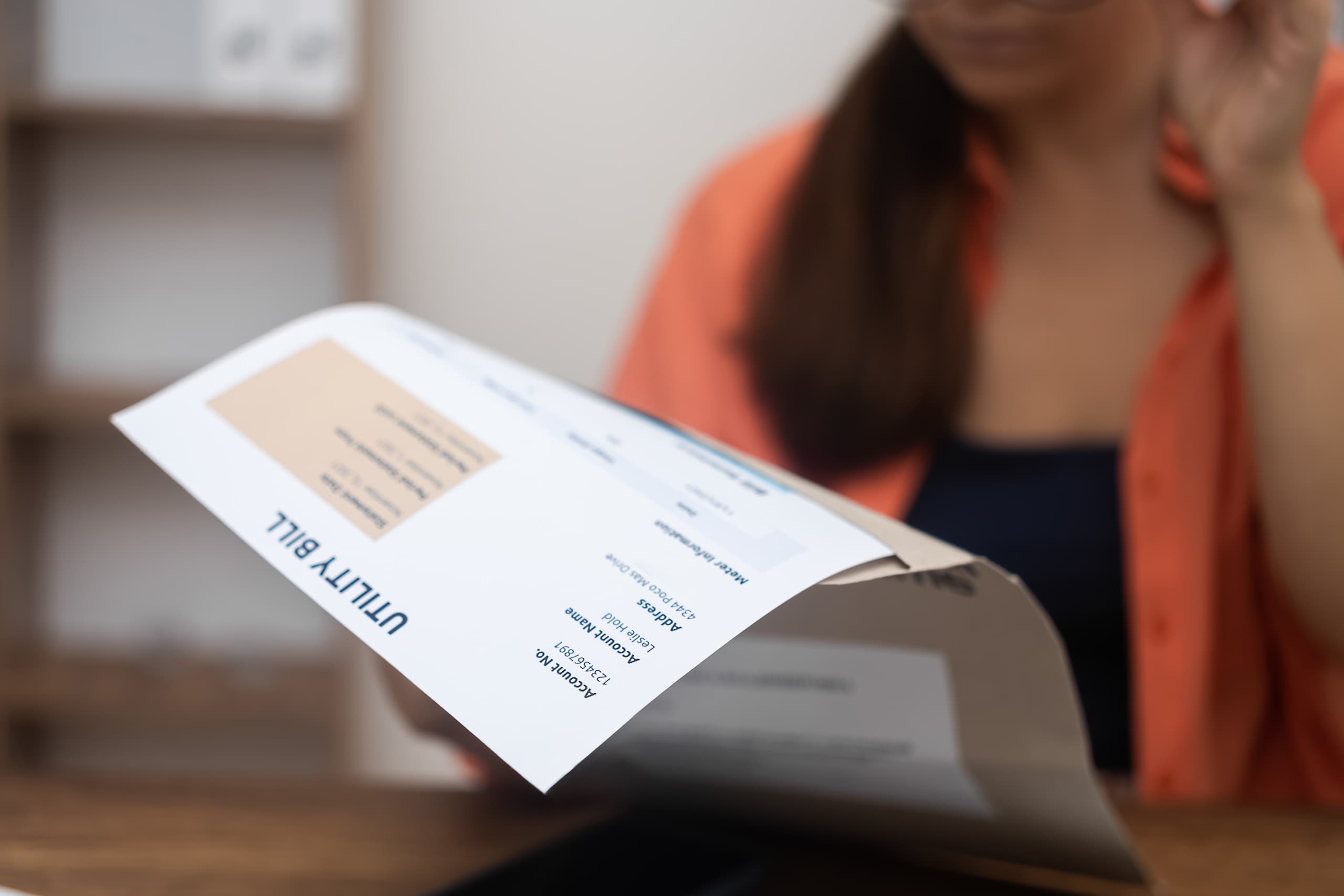
A close-up of a woman in an orange cardigan holding and reading a utility bill, with account name and address details visible on the document, sitting at a desk with a blurred office background.

Deemed tariffs are the industry fallback

A deemed tariff is essentially a set of default rates that a water retailer applies when no formal contract is in place, which is what allows your supply to continue without interruption, even if no agreement has been signed. This situation usually happens when:

  • A business moves into a property and doesn’t contact a retailer
  • A lease changes hands, and the account isn’t properly transferred
  • A contract expires, and no new agreement is put in place


In each of these cases, your water supply company continues supplying water, but instead of a negotiated deal, your charges are based entirely on their published deemed rates. These tariffs are set out in a scheme of charges that outlines exactly how much you’ll pay for water supply, wastewater, and fixed costs, all of which feed directly into your average monthly bill.

Why deemed tariffs don’t behave like normal contracts

At a glance, a deemed tariff might look similar to a standard business water bill, with familiar elements like usage charges, wastewater costs, and standing fees. The difference lies in how those rates are positioned, as there’s no negotiation or flexibility built into the pricing. The structure exists as a default rather than a tailored agreement, which often means higher unit rates and less favourable standing charges applied across the board.

That lack of engagement also means the tariff isn’t shaped around how your business actually operates. Whether your usage is stable, seasonal, or influenced by operational changes, everything sits within a fixed framework. Over time, that can gradually push your average business water bill per month way above what similar businesses are paying under contract, even if nothing about your usage has changed.

What’s actually included in a deemed tariff

Deemed tariffs still cover the same core components as any business water bill. The structure remains the same, but the pricing applied to each element comes directly from default rates rather than anything negotiated or tailored to your premises. Most businesses will see:

  • Water supply charges (based on usage or rateable value)
  • Wastewater charges (estimated from water consumption)
  • Standing charges (that apply regardless of usage)
  • Surface water drainage (depending on site characteristics)


In some cases, additional charges like trade effluent may also apply, depending on how your business uses water.
At The Business Water Shop, we also frequently get asked, ‘What is the VAT rate on business water bills?’, particularly in situations like these when people are trying to understand their total costs. And while there’s no single answer to this question, in most cases, water and wastewater services are charged at a reduced VAT rate, which is included in the overall bill. So, while VAT definitely contributes to the final figure, the bigger driver behind your cost is usually the tariff itself rather than the tax applied.

Why do businesses stay on them longer than expected?

It’s surprisingly common for businesses to remain on a deemed tariff for extended periods because they don’t realise it’s there. Water isn’t always treated in the same way as other utilities, where switching is more widely understood and regularly reviewed. There’s also a lingering assumption that water supply is tied to a region, especially in England, as it used to be, but the water retail market was officially opened to competition in 2017, so it’s no longer the case.

Without a clear trigger to review the account, the default setup can just quietly continue in the background. Bills get paid, usage is loosely monitored, and, more often than not, the underlying tariff structure isn’t questioned if nothing seems out of place, even if the average monthly business water bill is higher than it needs to be. Over time, that lack of visibility can lead to unnecessary overspending, sometimes to the tune of thousands of pounds.

Switching moves you off a deemed tariff

The moment you agree to a contract with a retailer, you move away from deemed rates and onto terms that are more closely aligned with your usage and business profile. This doesn’t affect your physical water supply, but it does change how your services are billed and priced, often bringing costs more in line with expectations.

For many businesses, this is the first time water costs are actively reviewed rather than passively accepted. With the help of our team at The Business Water Shop, you can:


Even small changes to your overall bill can make a noticeable difference over time. If your business has been on a deemed tariff without you realising, there’s a chance you’ve been paying higher rates for years without question. Reviewing your current setup also gives you the opportunity to check whether your business has been overcharged in the past, potentially clearing the way to recover up to six years of overpayments!

Reviewing your business water setup

If you think you may be on a deemed tariff, you’re in the right place. A business water audit from our team can assess your current tariff, billing history, and usage to determine whether your setup is working in your favour or quietly costing your business more than it should.

We always go beyond surface level checks, digging into the details to find any potential; overcharges, incorrect rates, and missed savings opportunities that may have built up over time. If anything’s been applied incorrectly, we handle the entire process of recovering what you’re owed.

Throughout the process, there are no upfront fees and no disruption to your business water supply, so there’s nothing to risk and nothing to manage on your side. You only pay if we successfully recover savings for your business, and we handle everything from start to finish.

To get started, just fill in our audit form with a few details, and we’ll begin reviewing your account straight away. Submit the form now and see what your business could be owed.

Compare business
water rates today!

Homepage Postcode