How to manage water use during Christmas and New Year closures
When you are preparing to close your site for the Christmas and New Year holiday, it’s natural to focus on the immediate tasks that come with winding down operations. There are staff rotas to finalise, security checks to complete and last-minute deadlines to meet.
Amongst all this, water management can easily slip to the bottom of the list because everything appears calm and familiar. However, once the building is empty, even a small issue can grow unnoticed. A dripping tap, a slow cistern or a pipe sitting in a cold corner can cause far more trouble than you might expect. Taking a thoughtful approach now, you give yourself a far easier start when you return in January and help you consider whether it’s time to switch business water suppliers.
And if your site is a holiday let that stands empty between bookings rather than just over Christmas, our business water for holiday lets page looks at what that means for the bill year-round.
Compare your business water rates
See what you could save against your current deal in under 24 hours.
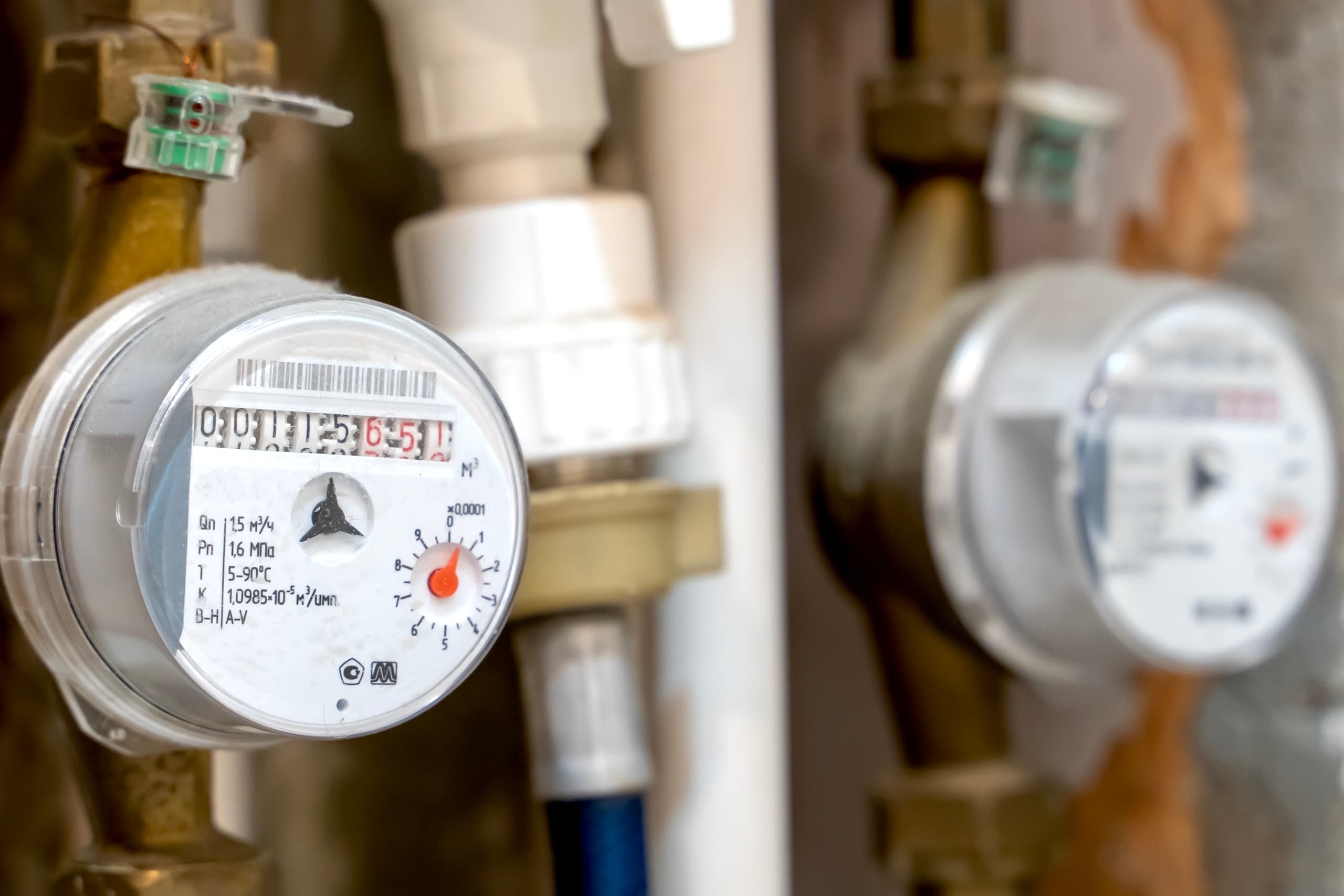
Before the last person leaves the site, take a moment to read your water meter and record the exact figure. This simple action creates a clear benchmark for the entire closure period, allowing you to see at a glance whether anything changed while the building was empty. When you return in the new year, comparing the two readings will show you instantly if there has been any unexpected use, which could point to a leak or an equipment fault. Having this information ready means you can investigate issues immediately rather than discovering them weeks later on your next bill.
Turn off water where it is not needed
Once you know which areas of your building rely on water every day, it becomes easier to decide what can be safely turned off for the festive shutdown. Kitchens, staff rooms, external taps, dishwashers and some washroom facilities usually do not need to run during a closure. Turning off supplies to these areas greatly reduces the chance of leaks or faults occurring when no one is around to spot them. It also helps prevent unnecessary water use that could add cost to your next bill. Keeping water on only where it’s essential, such as for boilers or frost protection systems, enables you to safeguard your building without disrupting equipment that must remain active.
Make sure your pipes are protected from cold weather
Winter conditions can create serious issues for commercial buildings, especially during periods of low or no occupancy. Pipes located in unheated rooms, service cupboards, loft spaces or external walls can easily freeze when temperatures drop. Once frozen, they’re at high risk of bursting, which can result in significant damage by the time anyone returns to the site. Before you close for Christmas, check that exposed pipework is properly insulated and that any vulnerable areas of the building are kept warm enough to prevent freezing. If you have outdoor taps or lines, make sure they are fully drained and securely shut off.
Flush your water when you return
When you open the building again in January, it’s important to refresh the water in your system. Water that has been sitting still can lose quality, especially in parts of the building that are used less frequently. Running taps, showers and outlets until they reach their normal temperature helps clear out stale water and supports your Legionella management procedures. This is also a good opportunity to restart any appliances or equipment that were switched off before the break, like dishwashers, ice machines or drinks dispensers.
Give the building a careful check before operations resume
Before bringing staff or customers back into the building, take a little time to walk around and check key areas. Look for signs of dampness, listen for unusual sounds in the pipework and make sure toilets, taps and appliances are working as expected. Take a new meter reading and compare it with the one you recorded before the break. If the numbers do not match your expectations, you will know something needs attention.
If you are preparing your site for the Christmas shutdown, this is also a good time to step back and think about your wider water costs for the year ahead and whether your current supplier is still offering the best value. Switching business water suppliers is straightforward when you have clear readings and a good understanding of your usage, and our team at The Business Water Shop can support you through every step. If you want to start the new year with lower costs, clearer billing or a more reliable service, we are here to help you compare options and secure a deal that works better for your business.
We use cookies on our website to give you the most relevant experience by remembering your preferences and repeat visits. By clicking “Accept All”, you consent to the use of ALL the cookies. However, you may visit "Cookie Settings" to provide a controlled consent.
This website uses cookies to improve your experience while you navigate through the website. Out of these, the cookies that are categorized as necessary are stored on your browser as they are essential for the working of basic functionalities of the website. We also use third-party cookies that help us analyze and understand how you use this website. These cookies will be stored in your browser only with your consent. You also have the option to opt-out of these cookies. But opting out of some of these cookies may affect your browsing experience.
Necessary cookies are absolutely essential for the website to function properly. These cookies ensure basic functionalities and security features of the website, anonymously.
Cookie
Duration
Description
cookielawinfo-checkbox-advertisement
1 year
Set by the GDPR Cookie Consent plugin, this cookie is used to record the user consent for the cookies in the "Advertisement" category .
cookielawinfo-checkbox-analytics
11 months
This cookie is set by GDPR Cookie Consent plugin. The cookie is used to store the user consent for the cookies in the category "Analytics".
cookielawinfo-checkbox-functional
11 months
The cookie is set by GDPR cookie consent to record the user consent for the cookies in the category "Functional".
cookielawinfo-checkbox-necessary
11 months
This cookie is set by GDPR Cookie Consent plugin. The cookies is used to store the user consent for the cookies in the category "Necessary".
cookielawinfo-checkbox-others
11 months
This cookie is set by GDPR Cookie Consent plugin. The cookie is used to store the user consent for the cookies in the category "Other.
cookielawinfo-checkbox-performance
11 months
This cookie is set by GDPR Cookie Consent plugin. The cookie is used to store the user consent for the cookies in the category "Performance".
CookieLawInfoConsent
1 year
Records the default button state of the corresponding category & the status of CCPA. It works only in coordination with the primary cookie.
viewed_cookie_policy
11 months
The cookie is set by the GDPR Cookie Consent plugin and is used to store whether or not user has consented to the use of cookies. It does not store any personal data.
Functional cookies help to perform certain functionalities like sharing the content of the website on social media platforms, collect feedbacks, and other third-party features.
Performance cookies are used to understand and analyze the key performance indexes of the website which helps in delivering a better user experience for the visitors.
Analytical cookies are used to understand how visitors interact with the website. These cookies help provide information on metrics the number of visitors, bounce rate, traffic source, etc.
Cookie
Duration
Description
_ga
2 years
The _ga cookie, installed by Google Analytics, calculates visitor, session and campaign data and also keeps track of site usage for the site's analytics report. The cookie stores information anonymously and assigns a randomly generated number to recognize unique visitors.
_gat_gtag_UA_216494080_1
1 minute
Set by Google to distinguish users.
_gid
1 day
Installed by Google Analytics, _gid cookie stores information on how visitors use a website, while also creating an analytics report of the website's performance. Some of the data that are collected include the number of visitors, their source, and the pages they visit anonymously.
Advertisement cookies are used to provide visitors with relevant ads and marketing campaigns. These cookies track visitors across websites and collect information to provide customized ads.







 Excellent 5* Rating