






 Excellent 5* Rating
How a deemed tariff is applied to your account
A deemed tariff is what your retailer falls back to when there is no signed contract on the account. It is the legal default position, and there are three common reasons businesses end up on one.
Most often, it is because someone moved into new premises. When you take over a site that already has a water connection, the supply does not switch off the day the previous occupier moves out. The wholesaler keeps water flowing, the retailer who served the previous customer keeps billing, and you start receiving bills on a deemed basis straight away.
The second is letting an old contract lapse. If a fixed-term agreement expires and nothing is signed to replace it, the account rolls onto the retailer’s published deemed rate.
The third is having never signed a contract in the first place. Plenty of businesses, especially smaller ones, have always been on deemed rates because nobody ever quoted them or offered an alternative. In England, the deemed tariff was the only option until April 2017. In Scotland the same was true before 2008.
Why deemed rates cost more than contracted rates
Retailers price deemed tariffs higher because they carry more risk. There is no contract length, no committed volume, no notice period. The customer can switch at any time, and the retailer has no way to forecast revenue from the account. To cover that uncertainty, the rates published in deemed schedules sit above what the same retailer would offer on a one-year or three-year contract.
In England, the gap is typically 10 to 20 percent. In Scotland the gap is wider and can reach up to 60 percent above contracted rates. Some of that is structural. The Scottish market is older, smaller, and shaped differently from the English one. Some of it reflects the smaller account sizes that make up most of the Scottish base, where competition for individual sites is thinner.
How to check if you are on a deemed tariff right now
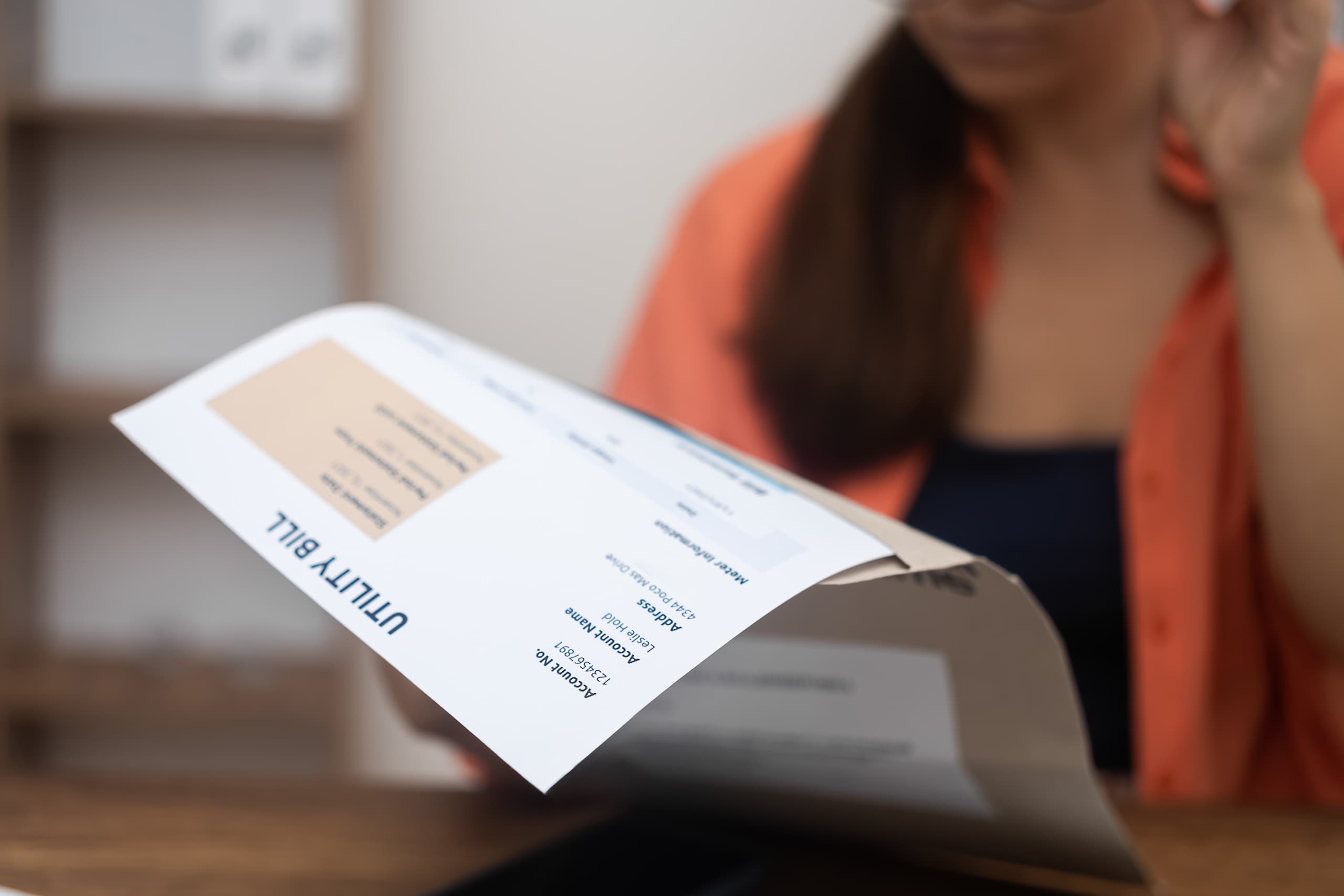
Look at your most recent bill. If it does not reference a contract end date, a renewal date, or a fixed-term agreement anywhere on the page, you are almost certainly on a deemed tariff. The line items will usually just show standing charges, water and wastewater unit rates, drainage charges, and a retail fee, with no contract reference attached.
You can also call your retailer directly and ask. They have to tell you whether your account sits on a contract or a deemed rate, and what the difference between the two would be for your usage.
If you have never signed anything with the retailer who is billing you, you are on a deemed tariff regardless of how long that has been the case. Many businesses have been on deemed rates for years without realising.
How to move off a deemed tariff
Switching off a deemed tariff is straightforward because there is no contract to exit. You can switch immediately, with no notice period, no exit fee, and no break in your supply.
The process takes around three weeks in England from the day you accept a new contract. The wholesaler stays the same, only the retailer changes, so your physical water supply is unaffected. Switching is also available in Scotland on a similar timeline.
To switch you will need a recent bill, the address of the site, and your supply point ID number, which is usually printed on the bill as a SPID. A broker or comparison service can quote you against several retailers in a single conversation, and the savings against the deemed rate are usually meaningful enough to make the time spent worthwhile.