Water isn’t supplied through one national system
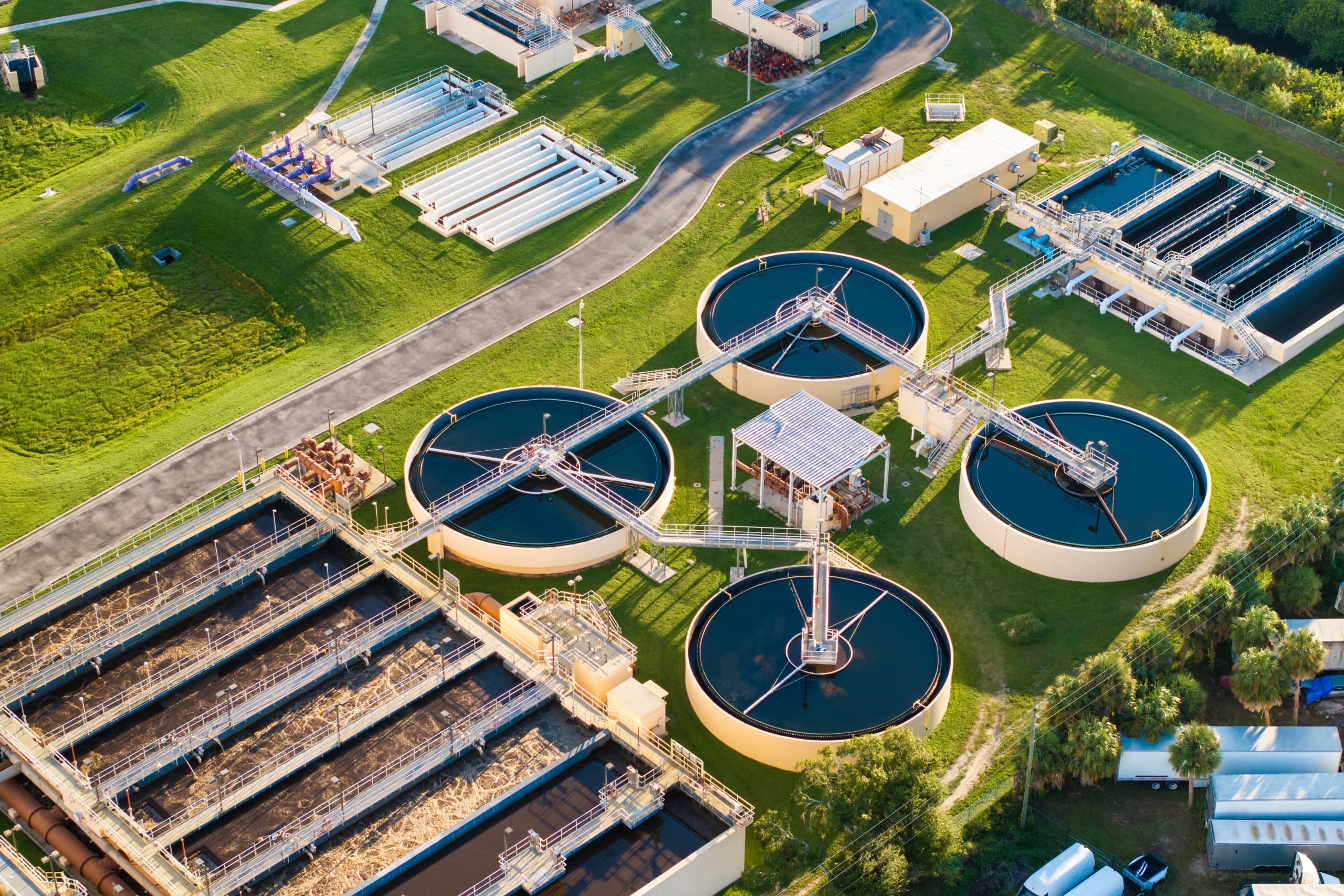
Unlike energy, water in the UK isn’t delivered through one unified national network. Different regions are managed by different wholesale water companies, each responsible for maintaining its own infrastructure, treatment works, reservoirs and sewer systems.
That means the cost of delivering water in one area can look very different from another. Some regions are relatively straightforward and inexpensive to maintain, while others face far higher operational pressures due to geography, population density or ageing infrastructure. It’s these wholesale costs that form the foundation of business water pricing, which is why location becomes such an important part of the overall bill.
Infrastructure costs vary across the country
One of the biggest reasons business water prices differ between regions comes down to infrastructure. Some parts of the UK are simply more expensive to supply and maintain than others, and those costs are reflected directly in wholesale pricing.
Urban areas with dense populations can often distribute water more efficiently through shorter, concentrated pipe networks. Rural locations, meanwhile, may require extensive infrastructure to serve a much smaller number of properties, significantly increasing maintenance and operational costs.
Older infrastructure can also push prices higher. In regions where pipe systems, treatment facilities or pumping stations require ongoing upgrades and repairs, water companies recover much of that investment through customer charges over time.
Water availability changes depending on the region
Water availability also plays a major role in regional pricing. Not every part of the UK has the same access to natural water resources, and some areas face much greater pressure than others. The South East, for example, experiences relatively low rainfall alongside extremely high population demand. Maintaining a reliable supply in these regions often requires additional investment in reservoirs, drought planning, water transfers, and leakage-reduction programmes.
Wetter regions generally face fewer supply pressures, which can make water provision less expensive overall. Over time, these regional differences become reflected in the wholesale costs businesses pay through their water bills.
Wastewater treatment costs also affect pricing
Business water bills don’t just cover the clean water supply. They also include the cost of wastewater collection and treatment, which can vary significantly between regions. Some areas require more advanced treatment processes due to environmental regulations, coastal protection requirements or flood management pressures.
Heavily urbanised sewer networks can also place greater strain on local systems, increasing maintenance and operational costs. Industrial regions may face additional complexity where trade effluent or specialist wastewater treatment is involved, which can further influence charges for local businesses.
Investment programmes shape regional costs
Water companies regularly carry out major investment projects to improve infrastructure, reduce environmental impact and modernise networks. However, the level of investment required varies significantly by region, which is one of the reasons business water prices don’t look the same across the country.
One region may currently be funding:
- reservoir expansion projects
- sewage system upgrades
- pipe replacement schemes
- environmental restoration work
- storm overflow improvements
Another area may require far less large-scale development at the same time. These regional investment programmes feed into wholesale pricing structures, which is why businesses in some locations can experience noticeably higher costs than others despite having very similar day-to-day operations.
Business pricing still depends on the local network
While businesses in England can now choose their water retailer, the underlying infrastructure supplying the property still belongs to the regional wholesale provider. That means the location of your business continues to influence a large part of the costs attached to your account, regardless of which retailer you choose.
Switching suppliers can still improve areas such as:
- customer service
- billing support
- account management
- contract value
- overall tariff structure
However, the wholesale charges associated with the local network remain tied to the region where your premises operate. As a result, two businesses using the same retailer can still pay noticeably different rates depending on which wholesale water company supplies their area.
Larger businesses can feel the differences more strongly
Location-based pricing differences often become more noticeable for businesses with larger premises, more operational complexity or higher wastewater demand. While smaller sites may only experience modest variation, costs can build much more quickly across larger portfolios or higher-consumption operations.
This tends to affect businesses such as:
- manufacturers
- warehouses and distribution centres
- hospitality venues
- healthcare facilities
- multi-site organisations
Businesses operating across several regions can sometimes see substantial pricing differences between locations, even where water usage and day-to-day operations appear broadly similar. Over time, those regional variations can add up to a much higher overall cost across an entire property portfolio.
Many businesses assume these costs are fixed, without ever reviewing how the charges are applied. However, opportunities to reduce spending can still exist. At The Business Water Shop, we help businesses just like yours understand exactly what’s influencing their water bill, including the impact of regional pricing structures, wholesale charges and site-specific factors that may be affecting overall costs.
If something on your water bill doesn’t look right, we’ll conduct a business water audit to investigate further. We’ll also handle the process on your behalf, whether that means correcting billing issues or helping you switch business water suppliers.
Getting started is simple. All you need to do is send us a recent water bill, and our team will conduct an initial review to identify potential cost reductions or improvements to your current setup.
If you’d like to see whether your business could lower its water costs by switching business water suppliers, fill out our online form or speak with our team on 020 8038 4862 today!








 Excellent 5* Rating